
Overview
High-pressure steam pipelines are widely used in power generation, petrochemical, and industrial energy systems. These pipelines transport steam at high temperature and pressure, making them one of the most demanding pipeline applications in terms of material performance and joint reliability.
System failure can lead to serious safety incidents, making robust design and precise execution essential.
Key Challenges
- Extremely high temperature and pressure
- Thermal expansion and vibration
- High stress concentration at joints
- Strict safety and inspection standards
Engineering Solution Design
1. Pressure and Temperature-Rated Pipe Selection
Pipes are selected based on operating pressure, temperature, and safety margins. Proper wall thickness and material grade ensure stable performance under continuous steam conditions.
2. High-Quality Welding and Stress Control
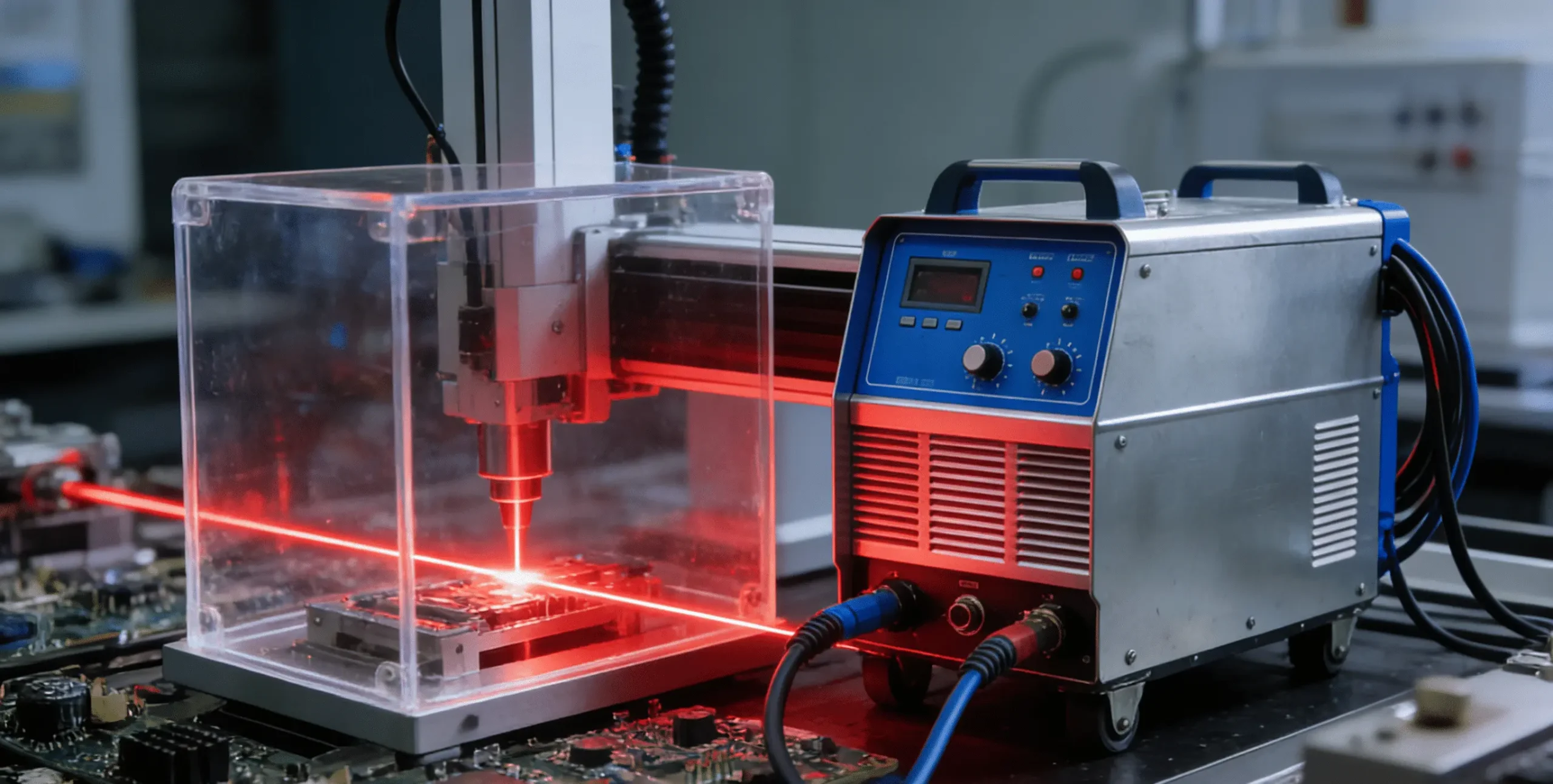
Welding processes are carefully controlled to produce uniform, high-strength joints. Post-weld treatment and stress-relief measures may be applied to improve long-term reliability.
3. System Support and Compensation
Pipe supports, guides, and expansion compensation devices are integrated into the design to manage thermal movement and reduce mechanical stress on the pipeline system.
4. Inspection and Commissioning
Comprehensive inspection, pressure testing, and commissioning procedures ensure system integrity before entering service.
Solution Advantages
- Safe operation under high-pressure steam conditions
- Reduced risk of leakage and mechanical failure
- Improved system efficiency and durability
- Compliance with industrial safety standards
Summary
A high-pressure steam pipeline solution combines proper material selection, precision welding, and effective stress management to deliver safe, efficient, and long-lasting performance in demanding energy applications.