
Overview
Boiler piping systems are a critical component of thermal power plants, responsible for transporting water, steam, and other working fluids under high temperature and pressure conditions. These systems operate continuously and are subject to thermal expansion, vibration, and pressure fluctuations, placing high demands on material performance, welding quality, and system reliability.
A well-engineered boiler piping solution must ensure safety, efficiency, and long-term operational stability.
Key Challenges
- High operating temperature and pressure
- Thermal expansion and cyclic stress
- Complex pipe routing and dense layouts
- Strict safety and quality requirements
Integrated Solution Design
1. High-Temperature and Pressure-Resistant Materials
Boiler pipelines typically require materials capable of withstanding elevated temperatures and pressures while maintaining mechanical strength. Proper material selection ensures resistance to creep, fatigue, and thermal stress over long-term operation.
2. Precision Welding and Joint Integrity
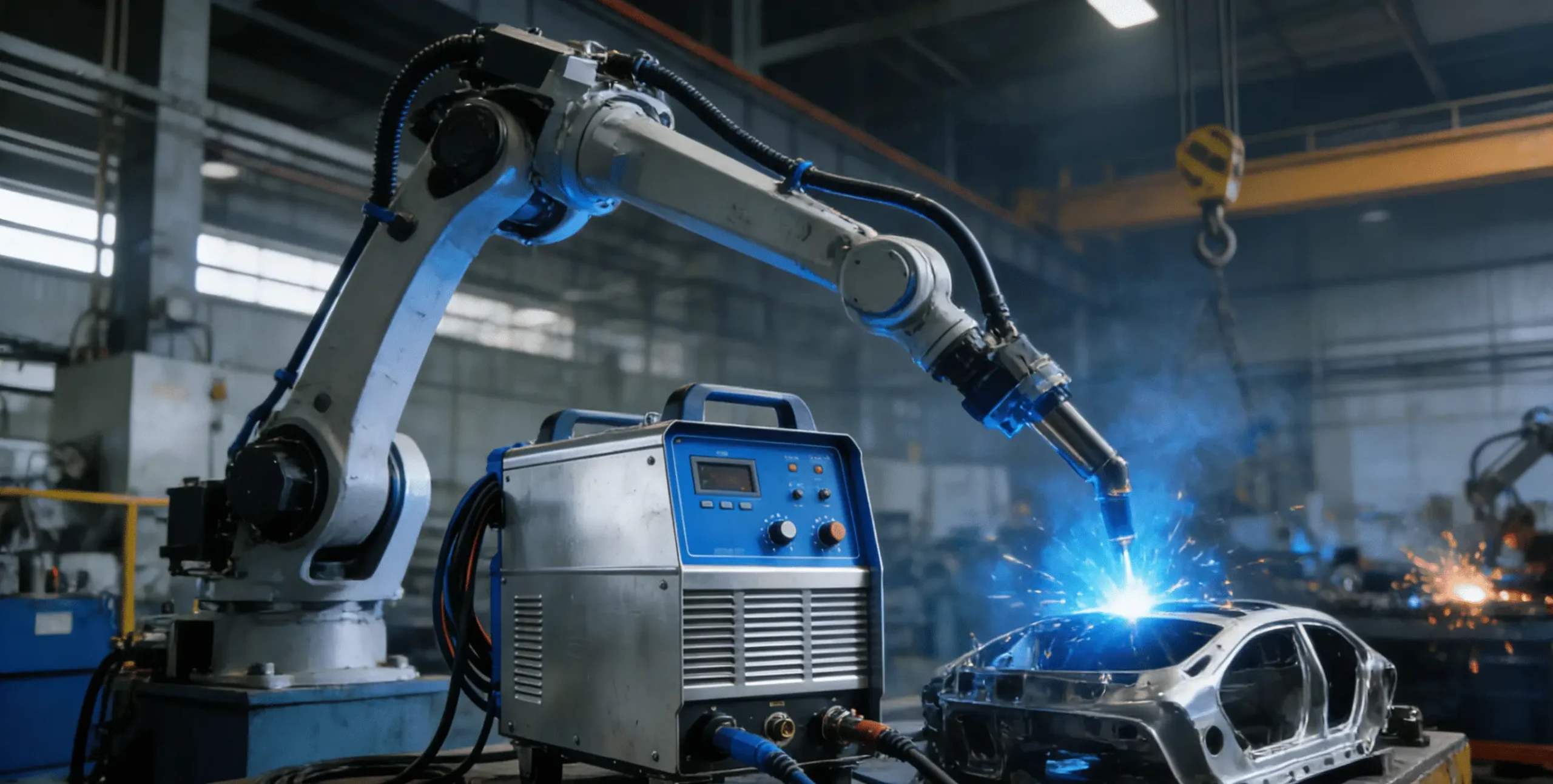
High-quality welding is essential for boiler piping systems. Controlled welding procedures ensure uniform joint strength, minimize residual stress, and reduce the risk of leaks or failures during operation.
3. Stress and Expansion Management
The system design incorporates expansion joints, pipe supports, and compensation measures to accommodate thermal expansion and prevent excessive stress on pipes and welds.
4. Quality Control and Inspection
Non-destructive testing, pressure testing, and strict inspection procedures are applied to ensure compliance with power industry standards and safe operation.
Solution Benefits
- Enhanced operational safety and reliability
- Stable performance under high thermal load
- Reduced downtime and maintenance costs
- Long service life under continuous operation
Summary
A comprehensive boiler piping system solution integrates appropriate materials, precision welding, and thermal stress management to ensure safe and efficient power plant operation.