
Overview
Chemical and industrial pressure pipelines are required to transport aggressive media under controlled pressure conditions while maintaining strict safety and reliability standards. These systems often operate in harsh environments and demand materials with excellent chemical resistance, pressure capability, and joint integrity.
HDPE pressure piping systems offer a dependable solution for chemical processing plants, industrial facilities, and specialized fluid transport applications.
Key Requirements for Chemical Pressure Pipelines
- Resistance to corrosive and aggressive chemicals
- Stable performance under continuous internal pressure
- Secure, leak-free joints to ensure operational safety
- Flexibility to accommodate complex layouts and system expansion
System Solution Design
1. Chemical-Resistant Pipe Material
HDPE demonstrates strong resistance to a wide range of acids, alkalis, salts, and industrial fluids. Its non-metallic nature eliminates corrosion issues commonly associated with traditional metal pipelines, improving safety and reducing maintenance requirements.
2. Pressure-Rated Pipe Selection
HDPE pipes are available in multiple pressure classes and wall thicknesses, allowing system designers to select appropriate ratings based on operating pressure, temperature, and fluid characteristics. Correct classification ensures long-term pressure stability and safety compliance.
3. Fusion Welding for Pressure Integrity
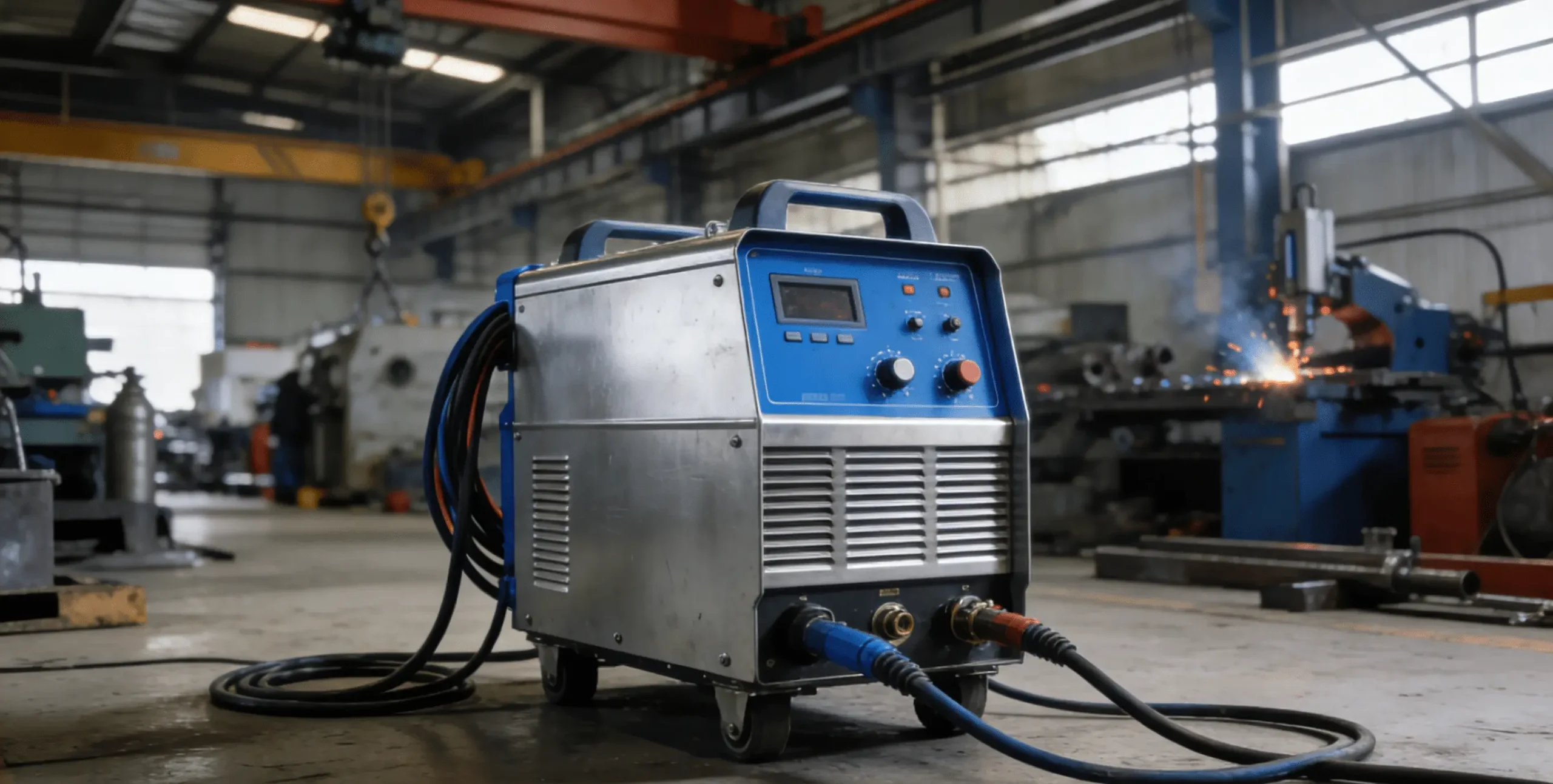
Fusion welding techniques create fully sealed, homogeneous joints capable of withstanding internal pressure without mechanical fasteners or seals. Proper welding procedures and quality control are essential to maintaining joint reliability in pressure applications.
4. Support for Complex Systems
Chemical pressure pipelines often involve multiple fittings, branches, and directional changes. Prefabrication and precision welding solutions help ensure accurate assembly, reduce on-site installation time, and improve overall system consistency.
Operational Advantages
- Excellent chemical and corrosion resistance
- Leak-free joints for enhanced safety
- Flexible design for complex industrial layouts
- Lower lifecycle costs compared to metallic piping systems
Best Practices for Implementation
- Verify chemical compatibility during system design
- Select appropriate pressure ratings and safety margins
- Apply standardized fusion welding procedures
- Conduct pressure testing and inspection before commissioning
Summary
HDPE pressure pipeline solutions provide a safe, durable, and cost-effective option for chemical and industrial fluid transport. Through proper material selection, pressure-rated design, and high-quality fusion jointing, these systems deliver reliable performance in demanding industrial environments.